
Decking Sussex WI: Common Installation Mistakes to Avoid
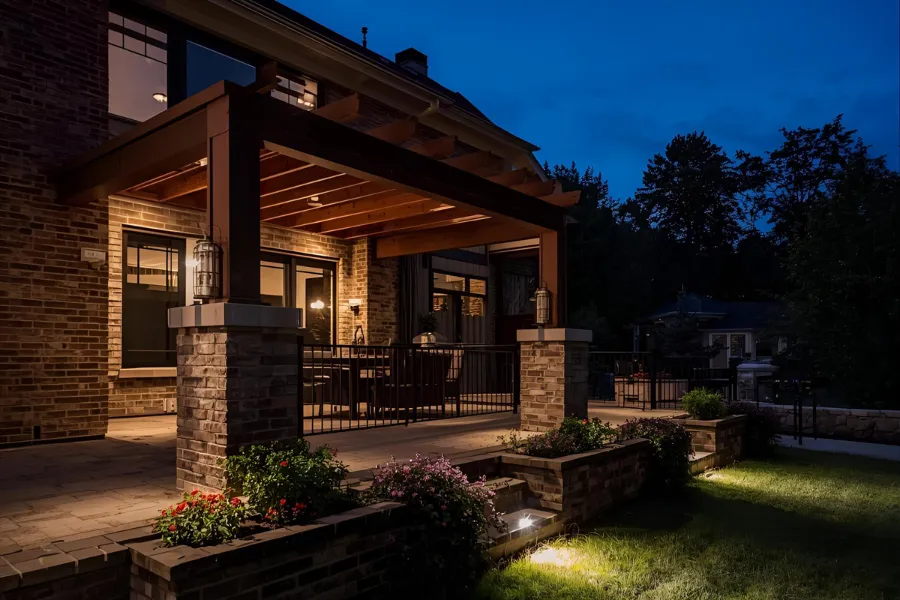
A new deck can transform how a family uses its backyard, but only when it is built correctly from the very first step. Over the years, our decking Sussex WI team has inspected and repaired countless decks that failed early because of avoidable installation errors. In this guide, we walk through the most common mistakes homeowners and even some contractors make, so you can recognize the warning signs and make informed decisions before, during, and after your project.
Why Proper Deck Installation Matters in Sussex, WI
Wisconsin’s climate puts real stress on outdoor structures. Freeze-thaw cycles, heavy snow loads, humid summers, and seasonal temperature swings all place demands on a deck’s frame, fasteners, and footings. When a deck is installed properly, it can handle these conditions for decades while remaining safe for everyday use. When it is not, problems such as wood rot, frost heave, loose railings, and structural sag tend to show up much sooner than expected.
We have found that most Sussex decking failures we are called out to repair trace back to a shortcut taken during the original installation, not to the age of the materials. Understanding why proper installation matters is the first step toward protecting your investment, your home’s value, and the safety of everyone who uses the deck.
Failing to Plan the Deck Design Properly
A deck is more than a flat platform attached to a house. It needs to account for how the space will actually be used, whether that is hosting large gatherings, supporting a hot tub, or simply providing a quiet spot to relax. Skipping thorough planning often leads to awkward traffic flow, undersized seating areas, or a structure that cannot support the loads placed on it.
We always recommend starting with a clear plan that addresses square footage, load requirements, furniture placement, and how the deck will connect to existing landscaping or entry points. Careful upfront design also helps avoid costly mid-project changes, which are far more expensive than adjustments made on paper.
Skipping Local Permits and Building Requirements
Sussex, WI, like most Wisconsin municipalities, requires permits for most deck construction projects, along with adherence to local building codes covering footing depth, structural spans, and railing height. Skipping this step might seem like a way to save time or money, but it can create serious problems later, including fines, forced removal of the structure, and complications when selling the home.
We take permitting seriously on every project because it protects homeowners as much as it satisfies the local building department. A permitted, inspected deck gives you documented proof that the structure meets safety standards, which matters for insurance claims and future real estate transactions alike.
Building on an Improper Foundation
The foundation is arguably the most important part of any deck, even though homeowners see it the least. Footings that are too shallow, improperly sized, or placed without accounting for Wisconsin’s frost line depth are one of the leading causes of deck movement, sinking, and structural failure.
We have seen decks built on footings that were poured above the required frost depth begin to heave within a single winter. Proper foundation work involves accurately assessing soil conditions, digging to the correct depth, and using footings sized appropriately for the loads the deck will carry. This step cannot be rushed or estimated; it has to be done right the first time.
Using the Wrong Decking Materials
Not every decking material performs the same way in every setting, and choosing the wrong one is a common and costly mistake. Some homeowners select a material based on price alone, without considering how it will hold up against moisture, sun exposure, and foot traffic over time.
We work with composite, PVC, and Black Locust decking because each offers a different balance of durability, appearance, and maintenance needs. Composite and PVC materials resist rot and require little upkeep, while Black Locust is a naturally durable hardwood known for its strength and longevity. Matching the material to the homeowner’s goals, budget, and maintenance expectations leads to a far better long-term outcome than a generic, one-size-fits-all choice.
Installing Deck Boards Without Proper Spacing
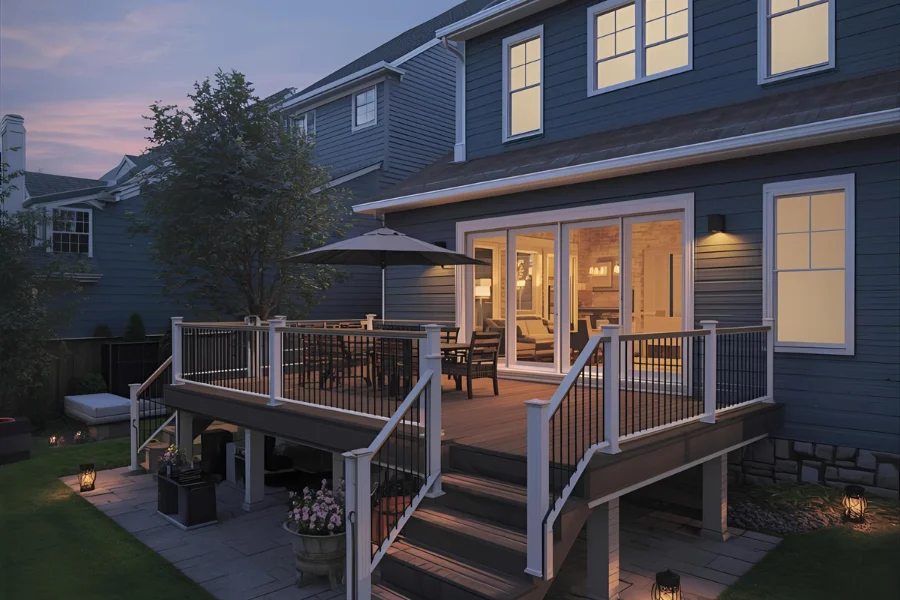
Deck board spacing might seem like a minor detail, but it plays a significant role in how well a deck performs over time. Boards installed too tightly together do not allow for natural expansion and contraction, which can cause buckling, cupping, or cracking. Boards spaced too far apart create tripping hazards and allow debris to build up underneath.
We follow manufacturer-specified gapping for every material we install, adjusting slightly for the moisture content of the wood or composite at the time of installation. Getting this detail right helps the deck surface stay flat, drain properly, and look consistent for years after the project is complete.
Improperly Attaching the Deck to the Home
The ledger board, which connects the deck to the house, carries a significant portion of the structure’s total load. When it is attached incorrectly, without proper flashing, fasteners, or waterproofing, water can infiltrate the connection point and cause rot in both the deck framing and the home’s structure itself.
We treat ledger board attachment as one of the most critical steps in any deck build. Correct installation includes proper flashing to direct water away from the house, structural bolts or lag screws rated for the load, and careful sealing to prevent moisture intrusion. This single connection point is often where the most serious and expensive failures originate when it is done incorrectly.
Using Incorrect Fasteners and Hardware
Fasteners and structural hardware are easy to overlook, yet they hold the entire deck together. Using the wrong type of screw, nail, or bracket, or hardware that is not rated for outdoor and load-bearing use, can lead to corrosion, loosening, and eventual structural failure.
We select fasteners and connectors based on the specific decking and framing materials being used, along with their exposure to moisture and weather. Stainless steel or coated hardware designed for outdoor structural use resists rust and maintains its holding strength far longer than standard hardware, which matters greatly for a structure that must remain safe year after year.
Overlooking Proper Drainage and Ventilation
Standing water and trapped moisture are among the biggest threats to a deck’s lifespan. Without proper drainage away from the foundation and ventilation underneath the structure, moisture becomes trapped against framing members and decking boards, accelerating rot, mold growth, and material degradation.
We design every deck with drainage and airflow in mind, from grading the ground beneath the structure to spacing joists and boards to allow air circulation. Attention to this detail during installation helps prevent the slow, hidden damage that often goes unnoticed until it becomes a major repair.
Installing Unsafe Railings and Stairs
Railings and stairs are where safety concerns become most immediate, since they are the components people physically lean on, grip, and step on every day. Common mistakes include railing heights that do not meet code, balusters spaced too far apart, and stairs with inconsistent rise and run measurements.
We build every railing and staircase to meet Wisconsin building code requirements, checking measurements carefully rather than relying on estimates. A deck can look finished and still be unsafe if these details are wrong, which is why we treat this stage of installation with the same care as the structural framing itself.
Ignoring Manufacturer Installation Guidelines
Every decking material, whether composite, PVC, or natural wood, comes with manufacturer guidelines covering spacing, fastening methods, expansion allowances, and warranty requirements. Ignoring these guidelines does not just risk premature material failure; it can also void the manufacturer’s warranty entirely.
We follow manufacturer specifications closely on every installation, because these guidelines are developed through extensive product testing and reflect how the material actually performs in real-world conditions. Following them protects both the homeowner’s investment and the deck’s long-term appearance and performance.
Attempting a Complicated DIY Deck Installation
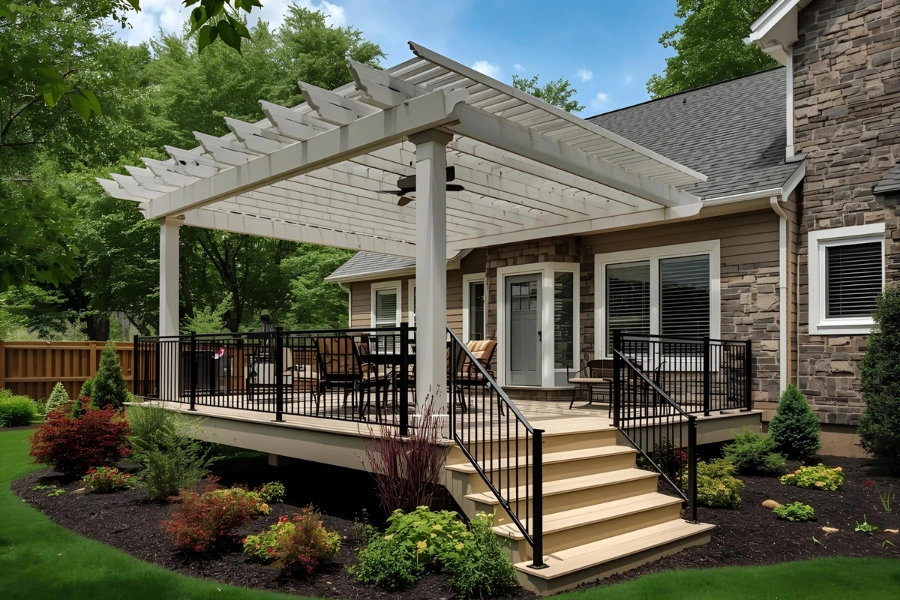
Building a deck can look approachable, especially with the abundance of tutorials and materials available today. However, decks involve structural engineering, load calculations, permitting, and precise construction techniques that go well beyond typical home improvement projects. A mistake in footing depth, ledger attachment, or railing construction is not just cosmetic; it can create a genuine safety hazard.
We understand the appeal of a hands-on project, and simple, small-scale tasks may be manageable for an experienced homeowner. For a full deck build, though, the risks of getting a structural detail wrong, along with the potential permit and code complications, generally outweigh the savings of doing it yourself.
How Diamond Decking Helps Avoid Installation Mistakes
At Diamond Decking LLC, we bring hands-on experience and a commitment to craftsmanship to every deck and fence project we complete in Sussex, WI, and the surrounding area. Our team plans each project carefully, secures the proper permits, builds on foundations suited to Wisconsin’s climate, and installs premium composite, PVC, and Black Locust materials according to manufacturer specifications.
We handle every detail discussed above, from ledger board flashing to railing code compliance, so homeowners do not have to navigate these risks alone. Our goal is a deck that is safe, durable, and built to look great for many years, backed by a team that stands behind its work.
Schedule a Decking Consultation in Sussex, WI
If you are planning a decking Sussex project or want a professional evaluation of an existing deck, we would welcome the opportunity to help. Our team can walk you through design options, material choices, and what proper installation looks like for your specific property.
Call us at +1 (262) 364-7560 or email TrayeBentz@DiamondDeckingLLC.com to schedule a consultation. You can also learn more about our services at https://diamonddeckingllc.com. We look forward to helping you build a deck you can enjoy safely for years to come.